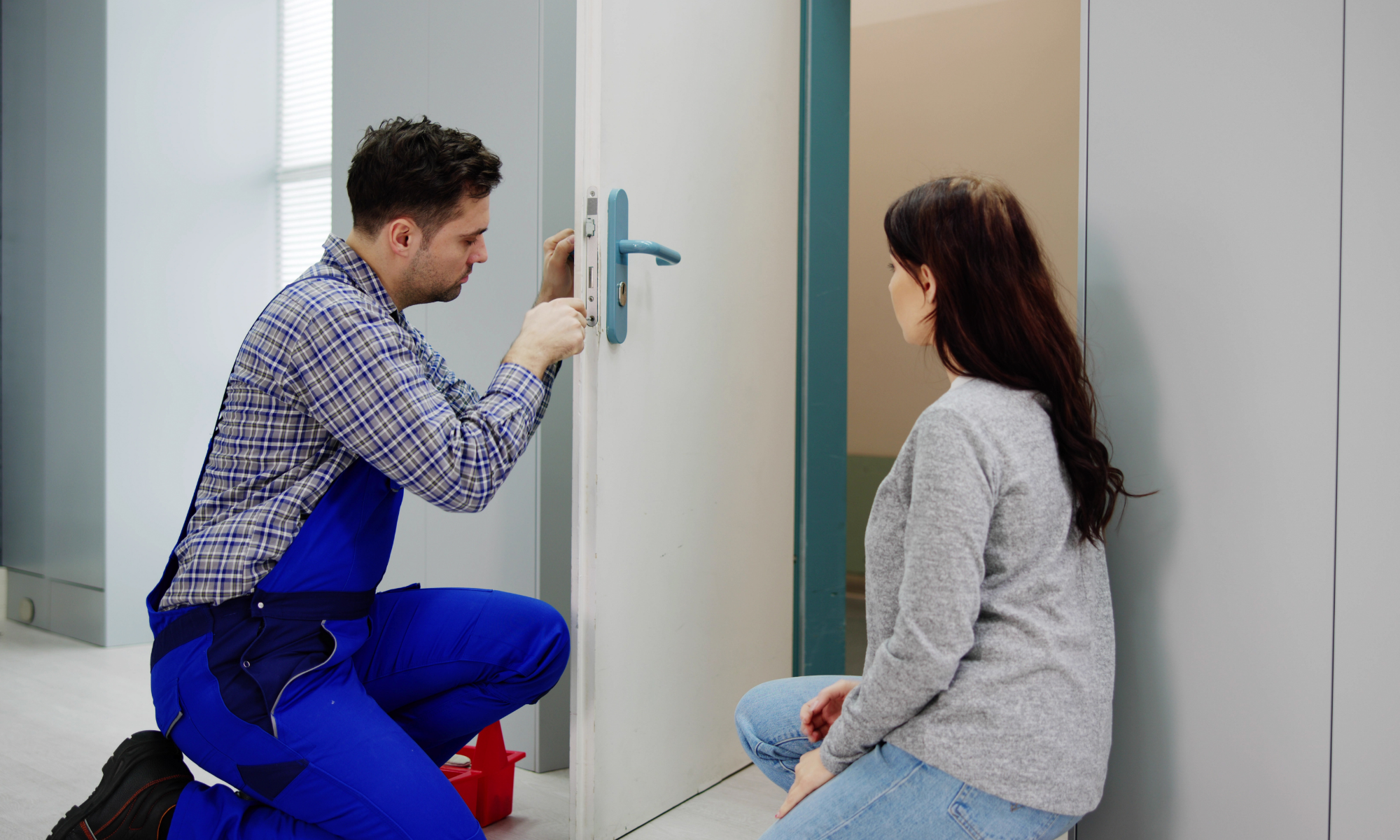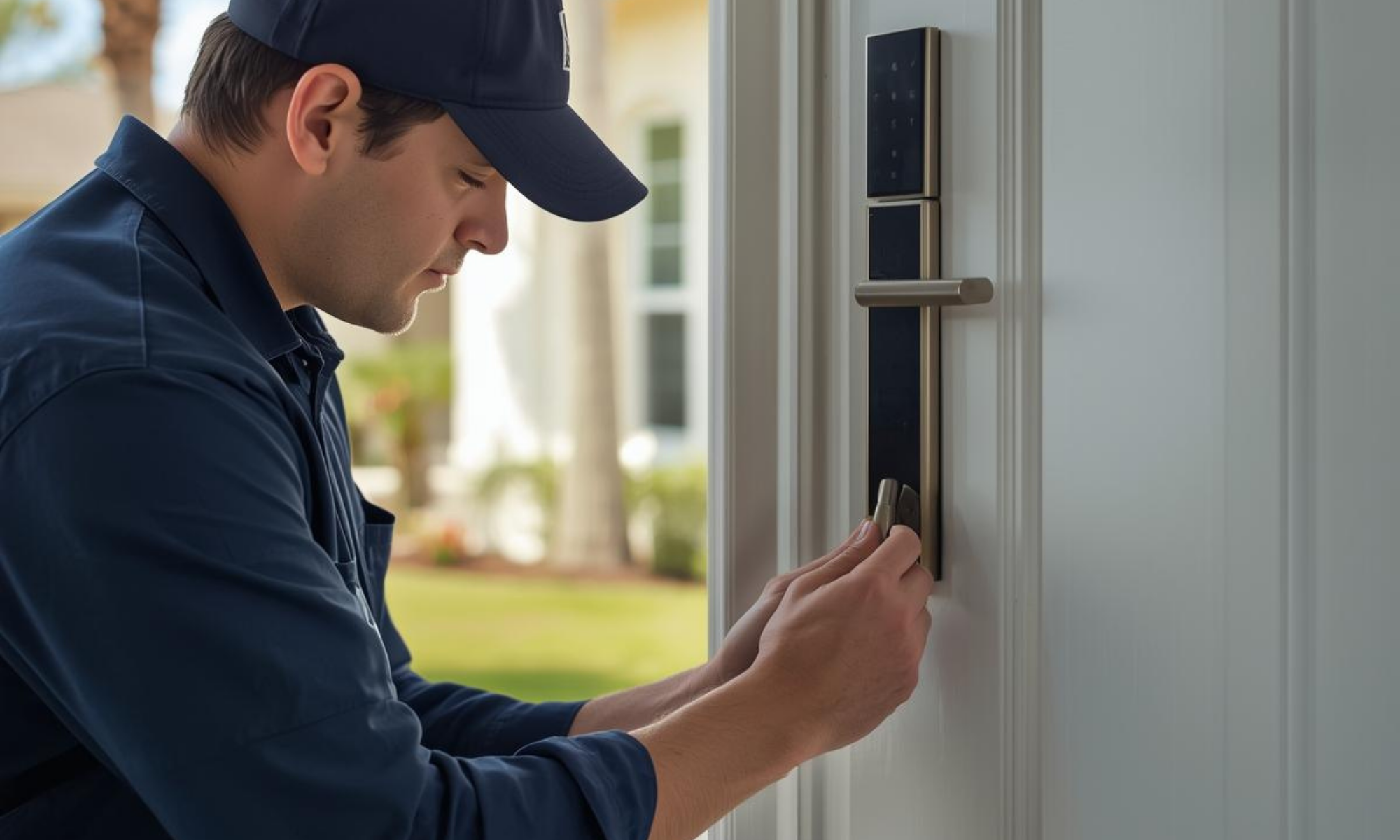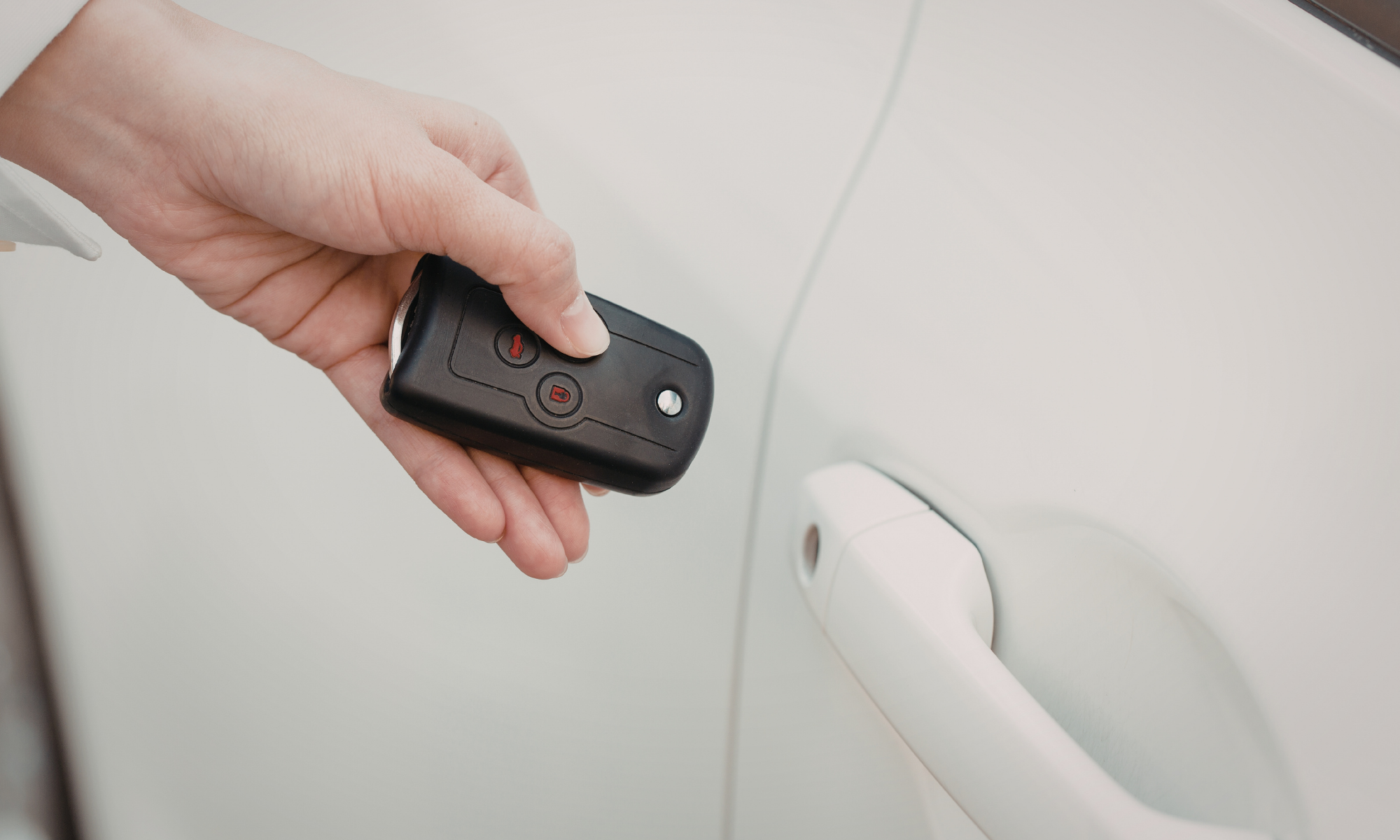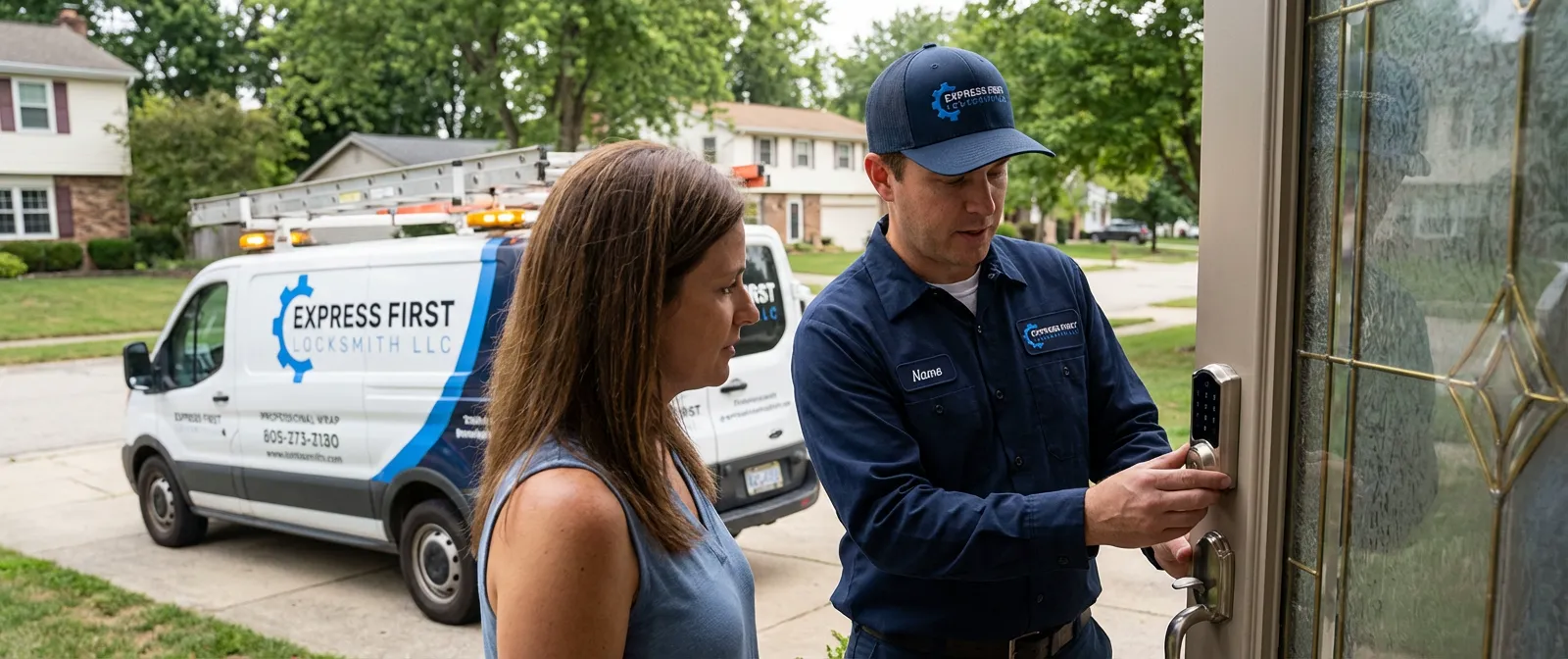
Are smart locks safer than traditional locks? The short answer: it depends on how you define “safe.” For Pensacola, Florida families, safety includes hurricane durability, salt-air corrosion resistance, and the ability to let in Airbnb guests during a thunderstorm without leaving a key under the shell. Below, Express First Locksmith breaks down hacking risk, forced-entry strength, and long-term reliability so you can pick the right lock for your coastal lifestyle.
Table of Contents
ToggleQuick Snapshot for Skimmers
- Smart locks shine for remote access and temporary codes; traditional deadbolts excel against cyber threats and power failures.
- Pensacola’s salt air and summer storms favor models with marine-grade finishes and battery backup.
- A hybrid approach, smart lock plus high-security cylinder, offers layered protection.
- Insurance discounts may apply for ANSI Grade-1 hardware, whether smart or traditional.
- Professional installation prevents misalignment that cancels any security gain.
Defining “Safe” in the Pensacola Context
Hurricane Season Security
A Category-1 storm can knock out power for 24 hours. If your smart lock battery dies during an outage, you need a backup key or external power port to get inside.
Salt-Air Corrosion
Ocean breeze travels 20 miles inland, coating metal with a fine, salty dust. Cheap zinc alloy deadbolts pit and seize; stainless steel or brass survives.
Tourist Turnover
Beach rentals near Perdido Key and downtown Pensacola see constant guest rotation. Smart locks let you email a code that expires automatically, eliminating key copies floating around.
Cyber vs. Physical Threats
Traditional lock picking requires skill and tools; smart-lock hacking requires software know-how. Locally, burglaries are more often forced-entry than cyber, but both risks exist.
Traditional Locks: Tried, True, Physical
Pros
- No batteries, no Wi-Fi, no firmware updates
- ANSI Grade-1 deadbolts resist crowbars and drills for 10+ minutes
- Works even after power, Wi-Fi, or phone is dead
- Lower upfront hardware cost
Cons
- Keys can be lost, copied, or left under the conch shell
- No remote access for guests or contractors
- Pick-resistant and bump-resistant models cost more than basic big-box versions
Best Use Cases in Pensacola
Primary residence, storm-season backup, or homeowner who prefers analog reliability.
Smart Locks: Connected, Convenient, Code-Heavy
Pros
- Generate temporary codes for cleaners, Airbnb guests, or dog sitters
- Receive phone alerts when kids arrive home from Brown-Barge Middle School
- Auto-lock feature ends the “did I lock it?” worry on I-110 toward Mobile
- Some models integrate with Ring, Nest, or ADT for unified security
Cons
- Battery death locks you out unless a 9-V backup port or key override exists
- Firmware bugs can freeze the touchscreen during a thunderstorm
- Salt air can corrode circuit boards if the lock lacks weather sealing
- Bluetooth/Wi-Fi versions can be vulnerable to sniffing or replay attacks
Best Use Cases in Pensacola
Vacation rentals, tech-savvy families, or multi-generational homes where everyone needs separate codes.
Side-by-Side Comparison: Security Features
Forced Entry
Both ANSI Grade-1 smart and traditional locks must survive the same 150-pound strike test. The bolt steel is identical; difference lies in key override cylinders on smart models. Pick-resistant traditional cylinders still outperform basic pin-tumbler overrides found on entry-level smart locks.
Lock Bumping
High-security traditional cylinders (Medeco, Mul-T-Lock) use angled pins and sidebar mechanisms that resist bump keys. Smart locks bypass the key entirely when using a code, so bumping becomes irrelevant, but a low-grade keyed cylinder on the same smart lock can still be bumped.
Hacking Risk
Traditional locks: zero remote hack, but keys can be photographed and 3-D printed.
Smart locks: encrypted apps are tough to crack, but weak passwords or outdated firmware open the door. Enable two-factor authentication and change default codes.
Power Failure
Traditional: always works.
Smart: battery life ranges from 3 months to a year. Lithium batteries handle Pensacola heat better than alkaline. Keep spares in the fridge during summer.
Weather Resistance
Look for IP65 or ANSI/BHMA A156.25 certification. Stainless steel bolts and silicone door seals block salt air. Express First Locksmith stocks marine-grade models that survived Hurricane Sally in 2020.
Insurance & Warranty Considerations
Many Pensacola carriers offer small discounts for ANSI Grade-1 hardware, smart or not. The key is providing the grade stamp and professional installation invoice. DIY installs that skip the strike plate screws or misalign the bolt can void claims, so hiring a licensed locksmith pays for itself.
Hybrid Approach: Best of Both Worlds
Install an ANSI Grade-1 smart lock with a high-security cylinder override. You get remote codes, audit trails, and pick-resistant physical backup. The cylinder costs more than a standard pin, but the layered security is worth the upgrade for waterfront homes or Airbnb condos near downtown.
Common Mistakes Homeowners Make
- Buying the cheapest smart lock on Prime Day, then discovering no local dealer for warranty service.
- Forgetting to register the app; firmware updates never install, leaving known bugs active.
- Leaving the backup key under the welcome mat, defeating the whole purpose.
- Installing on a warped 1970s door without realigning the frame; the bolt never fully extends and the lock reports “jammed” every week.
- Skipping a deadbolt altogether and relying on a smart lever handle only; lever handles are for convenience, not high security.
Cost Perspective: Three Tiers of Security
Tier 1: Basic traditional deadbolt installation or simple smart lock swap.
Tier 2: High-security cylinder or Grade-1 smart lock with app setup and strike reinforcement.
Tier 3: Hybrid package: Grade-1 smart lock, high-security cylinder, door frame reinforcement, and integration with existing alarm.
Each tier reflects hardware choice plus labor complexity. Moving up a tier usually buys longer warranty, better finish, and tighter audit control.
Insider Tip: Always Ask for a Strike Plate Upgrade
Most break-ins near Cordova Park happen with a swift kick to the door frame, not by picking or hacking. A 3-inch stainless strike plate with 3-inch screws anchors into the stud and buys you precious minutes. Express First Locksmith includes this upgrade on every smart or traditional lock install.
Emergency vs. Scheduled Installation
Locked out after a battery failure? Emergency service costs more but gets you in within 30 minutes. If you have a backup key hidden with a trusted neighbor, schedule a next-day appointment and pocket the savings.
DIY vs. Professional Risk
You can swap a lock with a Phillips screwdriver, but misalign the bolt by ⅛ inch and the smart lock throws constant jam errors. Pros use a 2-foot level, chisel, and strike plate jig to ensure the bolt seats fully. On steel doors common in Pensacola beach condos, one crooked bore can void the door warranty.
Seasonal Maintenance for Coastal Conditions
Quarterly
Rinse salt residue with fresh water, not a pressure washer. Wipe keypad with damp cloth; no ammonia cleaners that cloud plastic.
Annually
Lubricate bolt with graphite spray. Update firmware via app. Check door frame screws; humidity swells wood and loosens hardware.
Ready to Decide?
Still asking, “Are smart locks safer than traditional locks?” The answer is both are safe when you match the right features to your lifestyle. If you run Airbnb units on Pensacola Beach, smart codes beat key handoffs. If you want storm-proof reliability in Cordova Park, a high-security traditional deadbolt never needs a battery. Many locals now choose the hybrid route for layered peace of mind.
Frequently Asked Questions
1. Are smart locks safer than traditional locks for Pensacola, Florida hurricanes?
Smart locks with 9-V backup ports still work during outages, but traditional locks never lose power. Choose marine-grade finishes to resist salt spray.
2. Can a smart lock be hacked easier than a traditional lock can be picked?
Hacking requires software skills and is rare locally; picking or bumping is more common. A high-security cylinder on either style defeats both threats.
3. Do insurance companies in Pensacola prefer smart or traditional deadbolts?
Carriers care about ANSI Grade, not connectivity. Provide the grade stamp and professional install receipt for possible discounts.
4. What happens if my smart lock battery dies while I’m out of town?
Use a 9-V backup port or hide a physical key with a trusted neighbor. Emergency locksmith service can also provide temporary entry.
5. Are keyless locks safer than keys for Airbnb rentals in Pensacola?
Yes, codes eliminate copied keys and expire automatically, perfect for beach rentals with high guest turnover.
6. How long do smart lock batteries last in coastal climates?
Lithium batteries last longer than alkaline in heat and humidity. Expect roughly 6–12 months depending on usage and Wi-Fi connectivity.
7. Can Express First Locksmith install both smart and traditional locks on the same door?
Absolutely. We can mount a smart lock with a high-security cylinder override for layered security.
Ready to Lock in Peace of Mind?
Text or call Express First Locksmith, your Pensacola, Florida smart-lock and traditional-lock experts. We quote flat, install same-day, and back every lock with a 90-day workmanship guarantee.